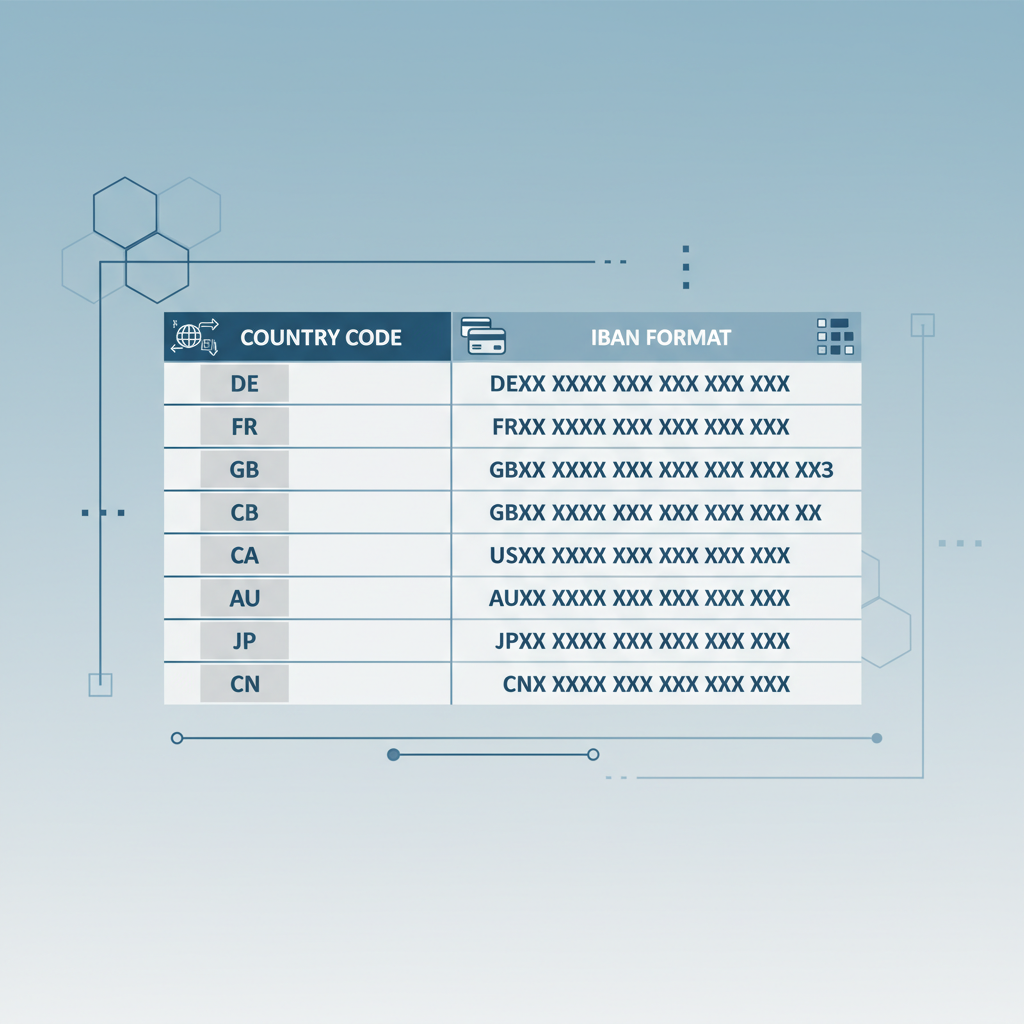
Although every IBAN follows the same high-level structure, each jurisdiction defines its own Basic Bank Account Number (BBAN) pattern. Some markets include branch identifiers, while others embed account type or currency codes. Germany, for example, uses an 8-digit bank identifier followed by a 10-digit account number, whereas the United Arab Emirates uses a 3-digit bank identifier followed by a 16-digit account number. These differences show how much domestic banking structures vary.
Why Format Awareness Matters
Maintaining a reliable catalogue of these formats is essential for building inclusive payment products. Random IBAN tracks official publications from European, Middle Eastern, African, and Asia-Pacific regulators so your QA environments stay accurate as rules evolve. By subscribing to these notices, we can flag upcoming changes and give your engineering teams the lead time they need to update validation rules.
Improving the User Experience
Beyond compliance, format awareness improves the experience for users entering their details. Inline help text, contextual examples, and dynamic input masks all reduce drop-off, but only if they match the expectations of each country. A Spanish customer, for instance, will expect to see the national bank and branch code highlighted, while a Dutch customer may be more familiar with a shorter BBAN segment.
Practical Uses
Use our reference tables to:
- Localise form validation for each target market
- Generate realistic sample data for multi-country demos
- Educate customer support teams about cross-border banking nuances
- Structure database columns, log sanitisation routines, and export files so that the distinctions between markets are preserved without becoming a maintenance burden